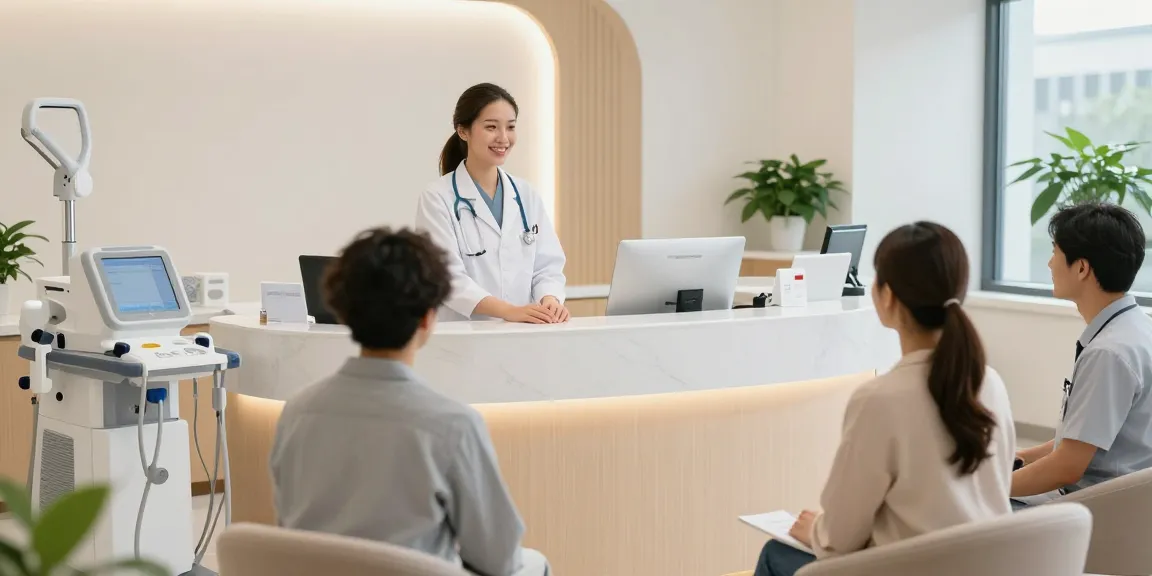
Understanding Comprehensive Health Services
With the evolution of healthcare and a continuous push towards patient-centered approaches, accessing comprehensive health services is becoming increasingly crucial. These services extend beyond the traditional doctor-patient interaction, encapsulating an array of practices aimed at promoting overall health and well-being. When exploring options, https://luck8.com.de/ provides comprehensive insights into available healthcare resources, ensuring patients are informed and well-equipped for their journeys to better health.
Defining Core Medical Services
Core medical services encompass the fundamental aspects of healthcare that every individual should have access to. This includes preventive care, acute care, chronic disease management, mental health services, and basic emergency care. Understanding these services is vital for patients to navigate their healthcare effectively. Healthcare providers are increasingly adopting technology to streamline services, enhance patient engagement, and provide accurate, timely medical interventions.
Importance of Evidence-Based Practices
Evidence-based practice (EBP) is crucial in today’s healthcare landscape as it aids in guiding clinical decisions based on the best available evidence. It integrates clinical expertise with the best research evidence and patient values, which can significantly enhance patient outcomes. Providers who adopt EBP can ensure more effective treatment protocols and individualized care plans.
Navigating Health Care Options in 2026
As we progress into 2026, patients are presented with diverse healthcare options, from telemedicine to integrated healthcare systems that provide seamless services across various platforms. Understanding how to navigate these options is essential for optimal health management. Awareness of the latest technologies will provide patients with the ability to engage actively with their healthcare plans, empowering them towards making informed decisions.
Best Practices for Patient Care
Delivering high-quality patient care requires the integration of best practices that prioritize patient safety, communication, and satisfaction. Implementing structured approaches fosters a better healthcare experience, ultimately leading to improved health outcomes.
Creating Effective Patient-Healthcare Relationships
Establishing an effective relationship between patients and healthcare providers is pivotal for successful treatment outcomes. Trust and communication are foundational elements that encourage patients to share vital information, adhere to treatment plans, and actively participate in their care. Healthcare professionals should work diligently to create a welcoming environment that prioritizes the patient’s feelings and opinions.
Managing Chronic Conditions with LUCK8
The management of chronic conditions, such as diabetes or hypertension, requires ongoing support and personalized care plans. With advancements in technology, platforms like LUCK8 can provide patients with tailored strategies that empower them to manage their health effectively. This includes regular monitoring of symptoms, medication management, and lifestyle counseling, leading to improved quality of life and reduced risks of complications.
Promoting Preventive Health and Wellness
Preventive healthcare is a proactive approach focused on overall wellness and disease prevention. Regular screenings, vaccinations, and health education are crucial components of a preventive strategy. Patients are encouraged to engage in healthy lifestyle choices, participate in wellness programs, and remain informed about their health conditions to mitigate future health risks.
Mental Health Awareness and Treatment
Mental health is a critical component of overall health, and awareness is essential for effective treatment. With a greater understanding of mental health issues, patients can seek help more readily and improve their quality of life.
Recognizing Mental Health Signs and Symptoms
Early recognition of mental health conditions can make a significant difference in treatment outcomes. Symptoms such as persistent sadness, anxiety, mood swings, or changes in behavior should prompt individuals to seek professional help. Mental health professionals emphasize the importance of assessment and early intervention in managing these conditions successfully.
Available Treatment Options for 2026
As of 2026, numerous treatment options for mental health conditions are available, ranging from therapy and medication to community support and digital health interventions. Each treatment modality should be considered based on individual needs, with a focus on personalized care and evidence-based interventions that aim to improve mental well-being.
Building Resilience in Mental Health
Resilience is the ability to recover from difficulties and adapt to challenging situations, playing a vital role in mental health. Programs that promote emotional resilience, coping strategies, and support systems can significantly enhance an individual’s capacity to manage stress and adversity effectively.
Innovative Digital Health Solutions
The digital transformation in healthcare has paved the way for innovative solutions designed to enhance patient care and engagement. Understanding these technologies can empower patients in managing their health more effectively.
The Role of Telemedicine in Patient Care
Telemedicine is revolutionizing healthcare delivery by providing patients with the opportunity to connect with healthcare providers remotely. This technology facilitates timely consultations, increases access to specialists, and mitigates barriers such as travel distance and time constraints, significantly enhancing patient care.
Leveraging Apps for Personalized Health Tracking
Mobile applications designed for health tracking offer users a convenient way to monitor various health parameters, from exercise and nutrition to medication adherence. These tools not only encourage self-management but also enhance communication with healthcare providers regarding patient progress.
Future Trends in Health Technology
Emerging trends in health technology indicate a shift towards personalized medicine, wearable health devices, and artificial intelligence in diagnostics. Staying informed about these developments is imperative for both patients and providers in optimizing care and improving health outcomes.
Patient Rights and Healthcare Advocacy
Understanding and advocating for patient rights is paramount in today’s healthcare landscape, ensuring individuals receive the care and respect they deserve.
Understanding Your Rights as a Patient
Patients have the right to receive safe, respectful, and high-quality healthcare. Awareness of one’s rights, including the right to privacy, informed consent, and the ability to voice concerns, is essential for navigating healthcare effectively and ensuring accountability among providers.
How to Advocate for Yourself in Healthcare
Being an advocate for oneself in healthcare involves being proactive about personal health and treatment decisions. Patients are encouraged to communicate openly with healthcare providers, ask questions, and participate in decision-making to ensure their health wishes are respected and honored.
Supporting Patient Education and Empowerment
Empowerment through education is vital for enhancing patient autonomy. Resources that inform patients about their health conditions, treatment options, and support networks contribute to informed decision-making, which can improve health outcomes and overall satisfaction with care.
FAQs
What services does luck8 offer for patients?
LUCK8 offers a variety of services catering to different healthcare needs, including consultation, chronic disease management, mental health support, and preventive care resources.
How can I manage my healthcare appointments effectively?
Utilizing digital platforms to schedule and manage appointments can streamline the process. Keeping a calendar, setting reminders, and preparing questions ahead of time can enhance efficiency and satisfaction during healthcare visits.
What steps should I take for mental health support?
Seeking mental health support is the first step towards well-being. Individuals should consider reaching out to professionals, joining support groups, or engaging in therapy to develop coping strategies and network with others facing similar challenges.